
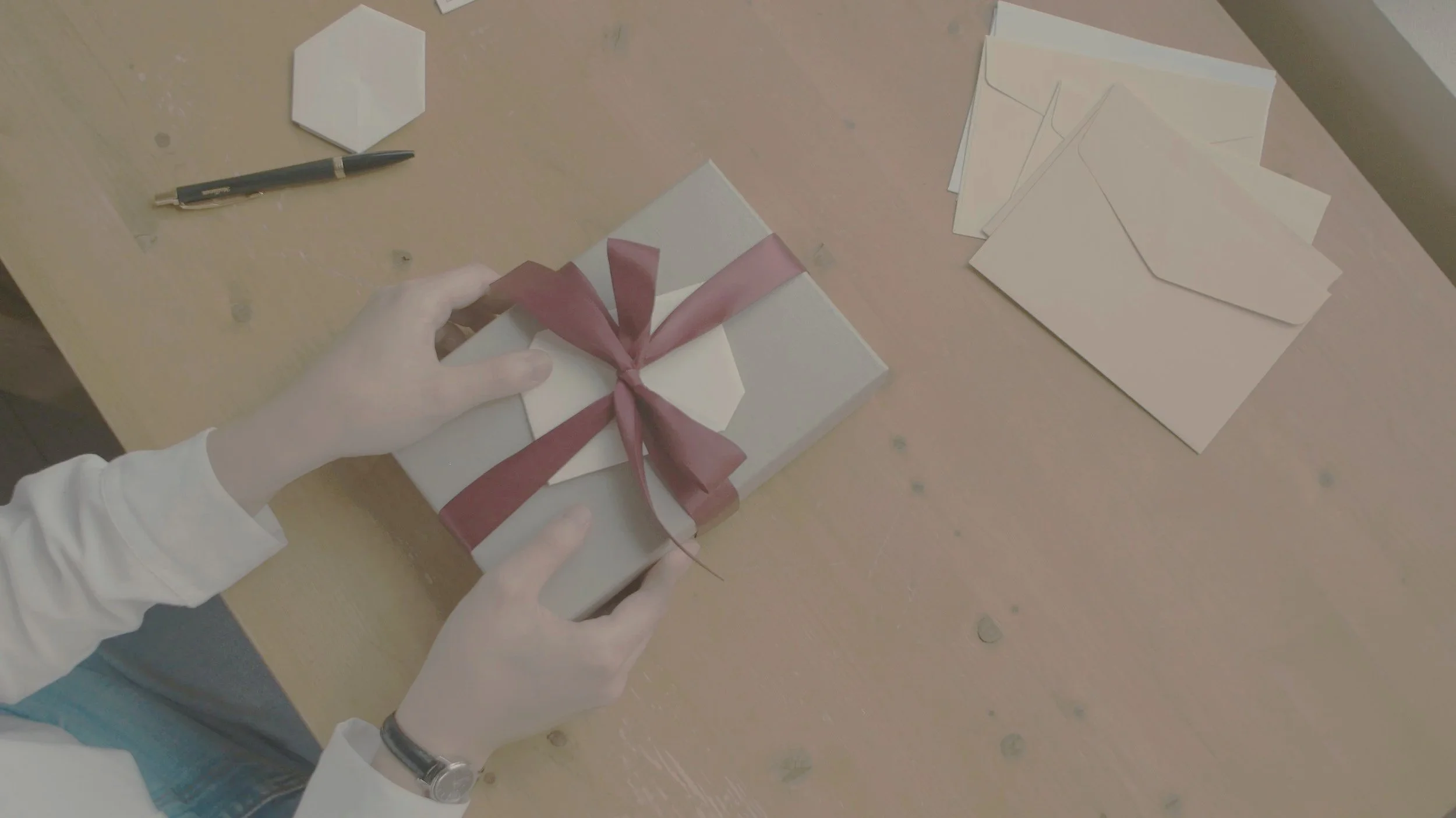
7 thoughtful gifts for someone newly diagnosed with breast cancer
Gift guide by Dr Marion Roberts, Clinical Psychologist & breast cancer survivorWhen someone you love has just been diagnosed with breast cancer, it can be hard to know what to send or what to say. In those first weeks, a thoughtful gift can offer comfort, take something off their plate, or simply let your friend or family member know you’re thinking of them.
Here are seven ideas, from a book she can dip into as capacity allows, to a handwritten note or a lift to an appointment.

1- A book to help navigate the emotional side of diagnosis
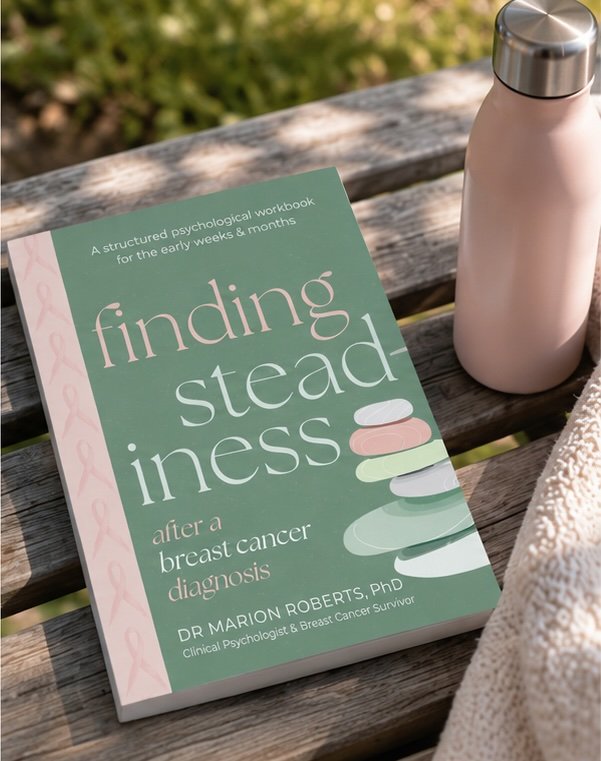
I have a soft spot for this one, of course, hence it is #1 on the list. As a clinical psychologist and breast cancer survivor, I wrote Finding Steadiness After a Breast Cancer Diagnosis for this very moment. It’s for those early weeks and months when it can feel as though the rug has been pulled out from under you and it’s hard to know which way is up.
In amongst the appointments, the decisions and the sheer amount of information to take in, looking for something to help with the emotional side of diagnosis can feel like one more thing to do (or likely hasn’t even made it onto her to-do list!). That’s where this gift can make a small difference. Your friend/family member might leave the book on the coffee table for a while, or she might open it that evening. Either way, it’s there for her to dip into, a page or two at a time, whenever she feels ready.
See inside Finding Steadiness.
2- Take dinner off her plate
The church-ladies’ meal roster has been around for an age, and for good reason. One of the most genuinely helpful things for me in those early weeks after diagnosis was the way my community pulled together a meal roster. For weeks, someone dropped dinner at our door by 5pm each night. No fuss, no big drama, no extensive consultation about the menu. Just fresh, home-cooked food delivered with a quick smile or left on the doorstep.
It took the mental load of planning, shopping, prepping and cooking for the family off my plate (and saved me some dishes too!). It also eased some of the guilt I felt about being unable to care for my family in the way I usually did.
An app like Lotsa helping hands (no affiliation) can make it easier to coordinate a roster across different groups of friends and family. Everyone can see which days still need a meal, and sign up for one that suits them (note I have no affiliation with the app).
Practical help is often more highly valued than a purchased gift.
3- Gift something soft & comforting
If you are someone that enjoys gifting something more tangible, consider something that has a grounding, textural or soothing nature to it. A soft cosy blanket or some snuggly slippers can make coming home after appointments or treatment feel a little nicer. If she’s someone who changes into her pyjamas as soon as she gets home, an Oodie or a soft dressing gown might suit your loved one.
If you’re working with a smaller budget, even a beautifully soft facecloth or fluffy socks can be a thoughtful gift. Try to choose something in a colour or texture she’d usually be drawn to. Those little details say, ‘I saw this and thought of you’ and remind her that people love her every time she uses it.
4- Lend a hand with everyday things
As appointments pile up and treatment fatigue sets in, everyday things like getting to an appointment, putting on a load of washing or getting the kids to and from school can feel like a lot. Your loved one might worry about putting someone out by asking for help. And on a day when she’s already tired or overwhelmed, working out who might be free and sending the text can feel like one more thing to organise.
“Let me know if you need a hand” is a kind offer, but it still leaves her to ask. You can make it easier for her to say yes by offering something specific at a time you already know you’re free. “Have you got an appointment this Friday? I’ve got a flexi day and I’d love to give you a lift if that would help.” Or, “Hey, I’m heading to the supermarket. Is there anything I can pick up and drop at your door?” She can take you up on it knowing it already suits you.
Once she’s said yes, let her guide the details. If you’re giving her a lift, she might like you to come in and be a second pair of ears, or she might just want a ride. If you’re picking up groceries, she might be glad to have them left at the door.
If you’d like something tangible to give her, you could make a few vouchers for ‘a lift’, ‘a load of washing’ or ‘a school pickup’. Write the dates and times you’re free on each one so she has them somewhere easy to check. If she finds them helpful, you can give her a fresh set when you next have some time free.
5- A handwritten card or letter
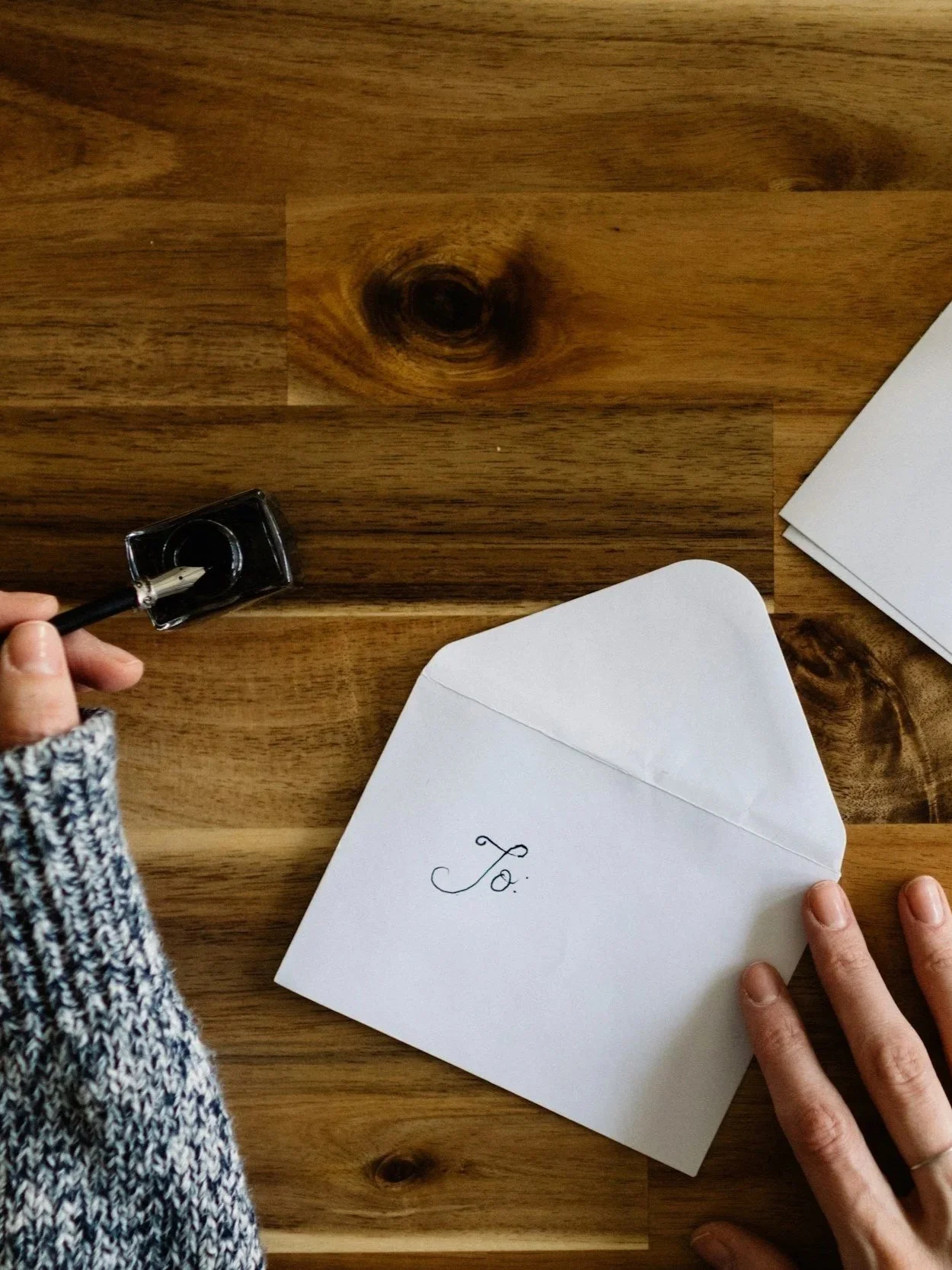
Words from loved ones are always meaningful, and even more so when you are going through a tough time. Taking a moment to sit down and write to her by hand is a lovely way to tell her what she means to you, and remind her you’re there for her.
So much of what we say to each other these days slips down a text thread or gets buried in an inbox. A card is something she can leave on the bedside table and come back to on a harder day. A box of chocolates might get an appreciative ‘ooo’, but meaningful words that sound like you will likely be what she reaches for again a week later, when she needs a lift.
6- Post-surgery supplies
If your loved one has surgery scheduled, post surgery supplies can fill both a practical need, and take some logistics off her list. Primarily, I refer you back to item 2 (dinners) and item 4 (vouchers to help with everyday things). Some additional ideas might be:
a supply of soothing drinks - herbal teas, hot chocolate, coffee
nourishing snacks - easy to eat snacks with whole food ingredients where possible (or home baking!)
short form reading - this is unlikely the time to dive into a new novel, as energy and concentration capacity will be low. Think more magazines, and things she can pick up and put down in shorter bursts.
music album/playlist, audiobook or TV series recommendations
7- A note on flowers
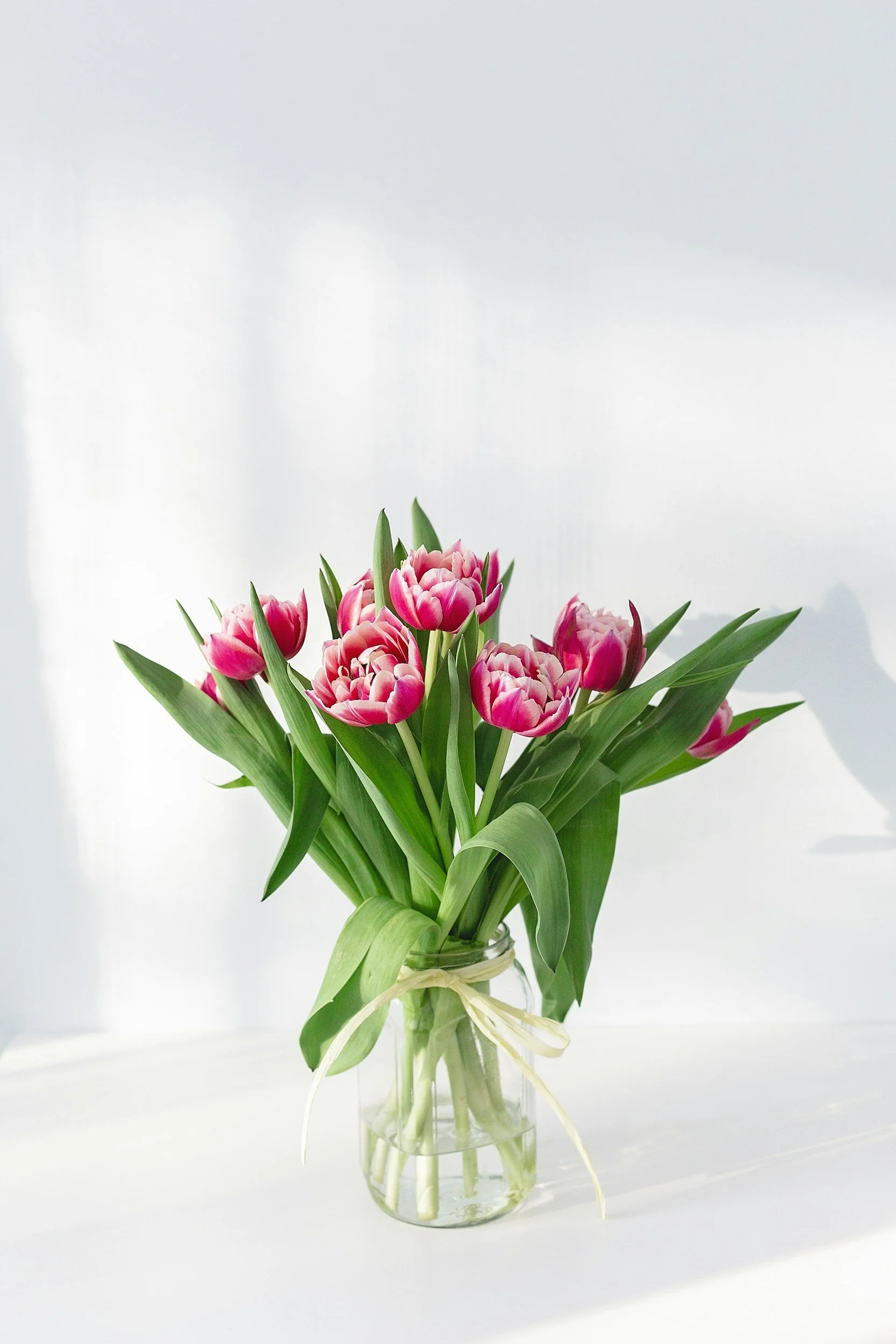
Flowers can be a lovely way to say you’re thinking of her. From my own experience, I’d give it a week or so before sending them. There’s something a little unsettling about seeing the bouquets pile up just after diagnosis. Each one arrives with love, but all together they can make it feel as though someone is dying, or a funeral is about to happen (particularly when of the more sombre variety!).
A bright bunch of flowers a week or two later can land quite differently. I’d go for something cheerful in colours she loves, or that match the decor in her home.